Loading...
True Tea — Back To The Foundation To Enjoy
0417 440 452
truetea.info@gmail.com
Loading...
Discover the rich history, cultural significance, and diverse varieties of tea from China, Japan, and the world.
There is simple but detailed introduction to Tea on Wikipedia:
Tea is an aromatic beverage prepared by pouring hot or boiling water over treated or fresh leaves of Camellia sinensis, an evergreen shrub native to China and East Asia.
Small-leaf type tea (Camellia sinensis var. sinensis) may have originated in southern China possibly with hybridization of unknown wild teas. Large-leaf type tea in Yunnan, China (Camellia sinensis var. assamica) and Indian Assam-type tea has genetic similarities.
Chinese legends attribute the invention of tea to the mythical Shennong from central and northern China about 2700 BC, although evidence suggests that tea drinking may have been introduced from the southwest of China (Sichuan/Yunnan areas of China).
Tea drinking may have begun in the region of Yunnan, where it was used for medicinal purposes. It is also believed that in Sichuan, "people began to boil tea leaves for consumption into a concentrated liquid without the addition of other leaves or herbs, thereby using tea as a bitter yet stimulating drink, rather than as a medicinal concoction."
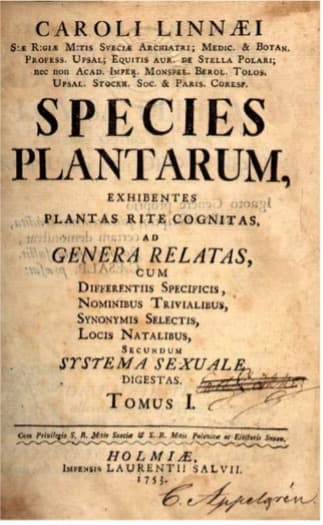
In the earliest botanical book classify and naming the species scientifically 'The Species of Plants' published 1753, the Swedish botanist Carl Linnaeus named tea as 'Thea sinensis L', later changed to 'Camellia sinensis', where sinensis in Latin means China.
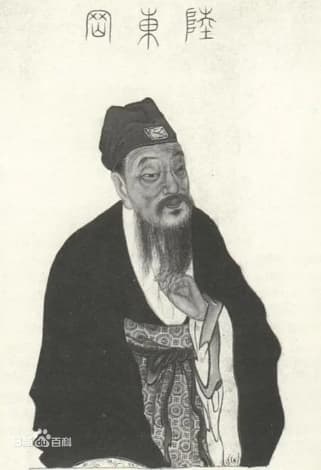
In his immortal book The Classic of Tea 《茶经》, Lu Yu (about AD 733 – 804, Tang Dynasty), the widely regarded Tea Saint, wrote:
'Tea is a precious evergreen tree found in South China. It varies from one or two Chinese feet (chi – 33.3cm) to several tens of feet.'
'Because tea is by nature cool, it makes most suitable drink. Those who attend to their behavior and are of frugal character and who may feel hot and thirsty, or out of sort, or have a headache, or irritation of the eye, or fatigue of the limbs, or discomfort of the joints, merely need to drink four or five mouthful of tea and it will achieve much the same effect as drinking refined curds.'
'Drinking tea that has not been picked in time, that has not been prepared with care, or that has been mixed with wild tea will cause illness.'
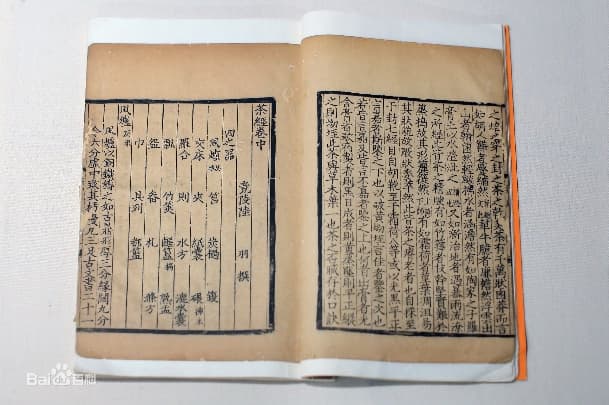
This book covered all the major topics in Tea. It has ten chapters, covering: 1. The origins of tea, 2. The tools used in picking and manufacturing tea, 3. The manufacturing of tea, 4. Vessels of making and drinking tea, 5. Tea boiling, 6. Tea drinking, 7. Historic materials on tea, 8. Tea production areas, 9. Simplification on tea drinking, 10. Hanging Scrolls for tearoom.
This book is well regarded as the foundation of tea culture in China. Even today, it is still used as the number 1 teaching material on tea and tea culture.
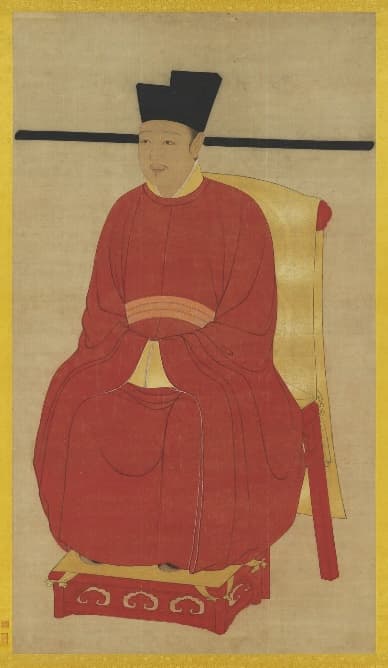
Tea has been so impactful to life and society, Zhao Ji (AD 1082 – 1135), the art-gifted emperor of the Song Dynasty, personally wrote a book on tea, 'On Tea in DaGuan' 《大观茶论》.
Tea was produced and pressed into small tea cakes in his time. It was ground to powder before being prepared, known as DianCha 点茶, which is very close to the Matcha 抹茶 in Japan today.
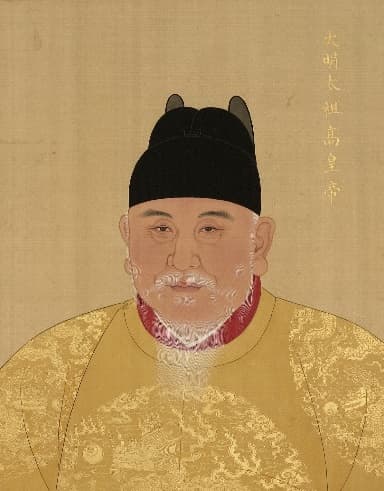
Tea was ordered to be made in loose tea form 散茶 by Zhu YuanZhang (AD 1328 – 1398), the first emperor of the Ming Dynasty, in order to stop the over-extravagant trend in tea preparation. Loose tea is still the most popular form of tea in China today.
It is generally believed tea was brought to Japan from China in the Tang dynasty (AD 618 – 907). It has gone through times and played a very big part in the Japan history, and it has deeply woven into Japanese culture.
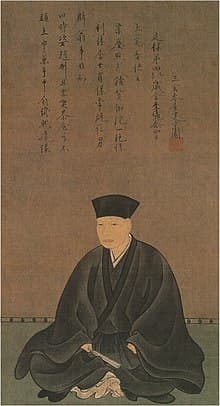
Murata Juko is known in chanoyu history as an early developer of tea making as a spiritual practice. He studied Zen under the monk Ikkyu, who revitalized Zen in the 15th century, and this is considered to have influenced his concept of chanoyu. By the 16th century, tea drinking had spread to all levels of society in Japan.
Sen no Rikyu (AD 1522 – 1591) has been the most famous person and is regarded as Tea Saint in Japan. He carried on the studies of Japanese Monks in Zen and treated tea as a spiritual practice. The principles he set forward for the Japanese Way of Tea (teaism) — Harmony (和, wa), Respect (敬, kei), Purity (清, sei), and Tranquility (寂, jaku) — are still central to the Way of Tea in Japan. It has profound impact on many aspects of Japanese life.
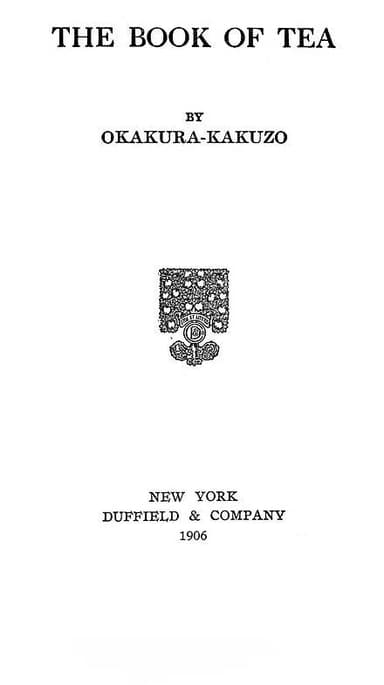
Also to mention is 'The Book of Tea' (茶の本), published 1906 by Okakura Kakuzo, a very well-regarded English book, introducing not only the Japanese Way of Tea, but also the aesthetic and cultural characters of Japanese life.
Tea had been trading from China to the West for a long time. Portuguese and Dutch imported tea from China over the sea from the 17th century. Tea trading has been important for the Dutch East India Company and then the British East India Company. It was believed that Tea first appeared in English documents as early as 1658, going by names like Tcha, Tay, or Tee.
Tea was first sold as a healthy drink for the high classes, something almighty from the East that could cure many diseases.

In 1662, Queen Catherine of Braganza (AD 1638 – 1705) from Portugal, a tea enthusiast, married King Charles II of England (AD 1630 – 1685). She carried Lapsang Souchong (正山小種紅茶) as part of her dowry and used it as top treatment to cater to the royals and elites. With her influence, tea began to spread in the high classes. By the 18th century, the position of tea was said to have surpassed that of wine in England, and many elegant tea events started to appear.
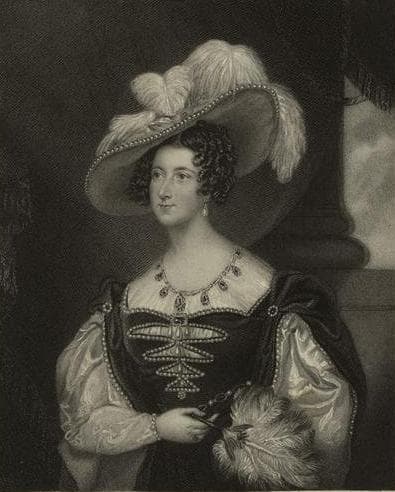
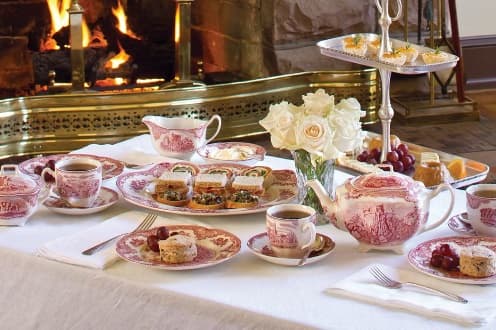
Anna Maria Russell, Duchess of Bedford (AD 1783 – 1857), a lifelong friend of Queen Victoria who served as a Lady of the Queen's Bedchamber between 1837 and 1841, started the beloved British meal "afternoon tea" around 1840.
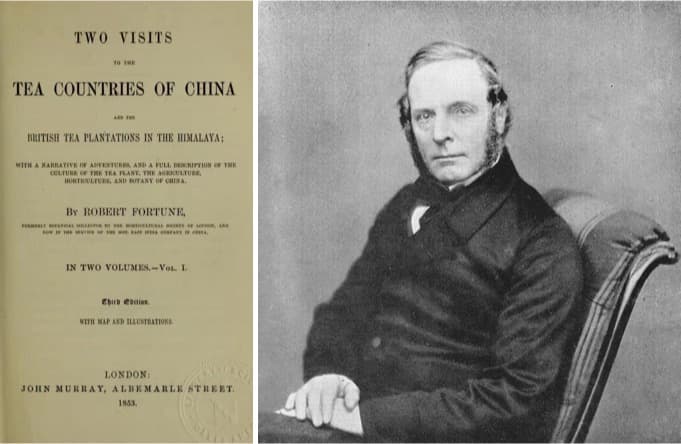
Robert Fortune (AD 1812 – 1880), a Scottish botanist, plant hunter and traveller, introduced around 250 new ornamental plants and tea, mainly from China, but also Japan, into the gardens of Britain, Australia, and the USA. He also played a vital role in the development of the tea industry in India in the 19th century.
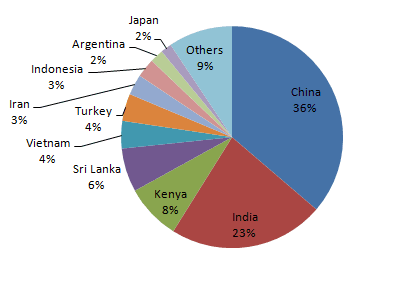
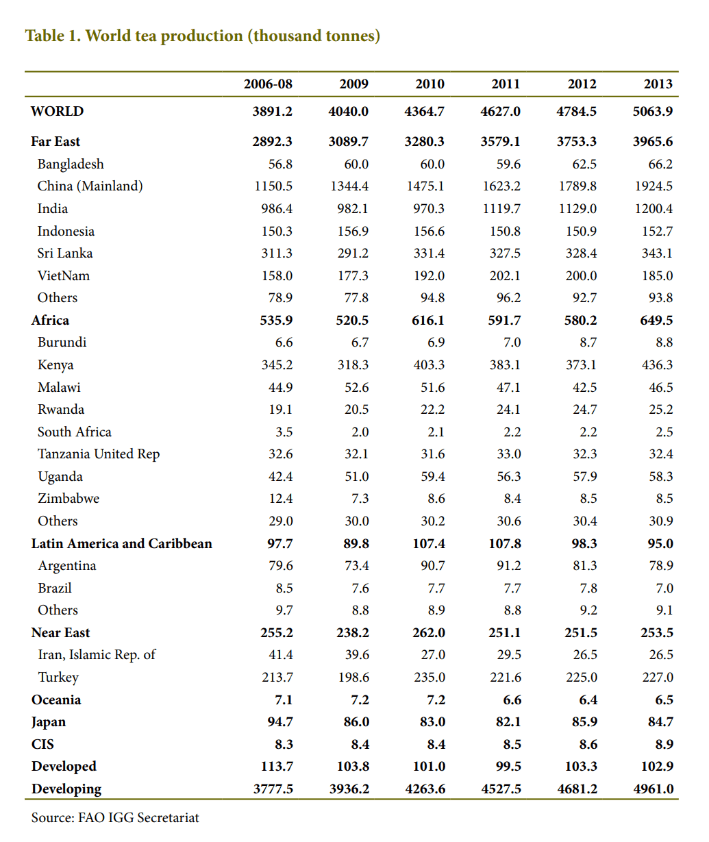
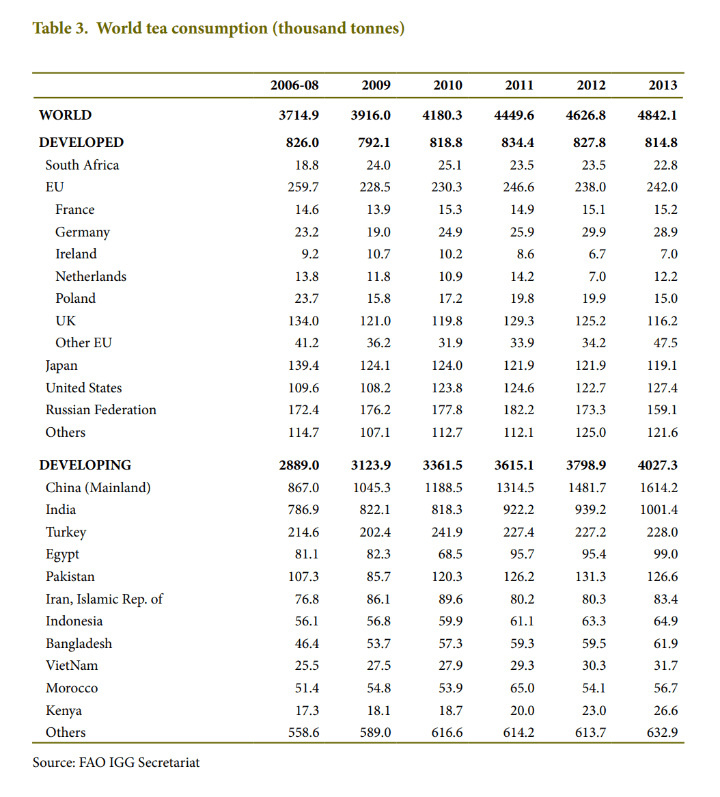
Based on the report of the Food and Agriculture Organization of the United Nations in 2015, global tea production has been growing very rapidly. Global tea production in 2013 was more than 5 million tons, covering many countries and regions worldwide.
As stated in Wikipedia, tea is generally divided into categories based on how it is processed during production. At least six different base types are produced:
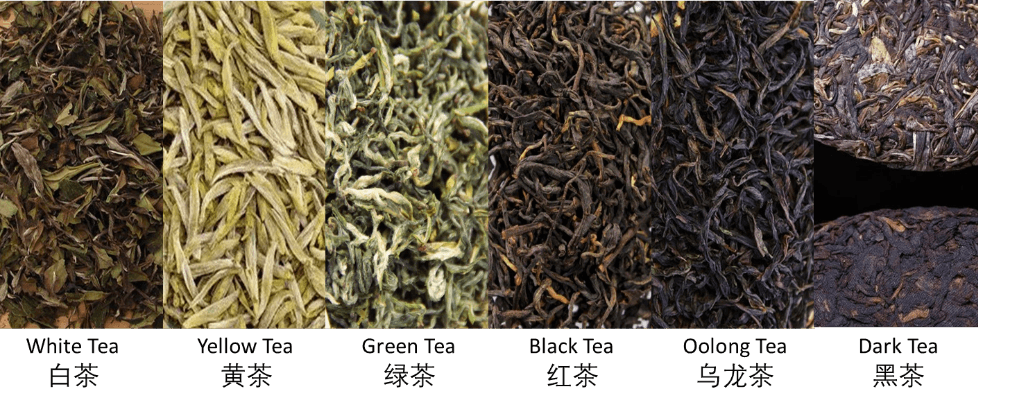
Process: Withered, DriedCamellia sinensis leaves and buds, made after being picked and withered under the sun without baking or steaming, very lightly rolling or not at all, then dried.
Process: Withered, Rolled, Enclosed/Smothered, DriedLeaves go through the process of withering, rolling and pressing, baking or steaming, with an added step of enclosing for light fermentation, then dried.
Process: Withered, Rolled, DriedLeaves go through the process of withering, rolling and pressing, baking or steaming, and then drying, completely without fermentation.
Process: Withered, Bruised, Partially Oxidized, BakedLeaves go through complicated processes including repeated withering, green-making (bruising), baking, rolling and pressing. The green-making gets the tea partially fermented through controlled oxidation, and repeated fire baking achieves distinct roasted flavors.
Process: Withered, Rolled, Fully Oxidized, DriedLeaves go through the process of complete withering, rolling, pressing, full oxidization/fermentation, then finally dried. Gives it its distinct robust red/black color and heavy flavor.
Process: Fermented, Shaped, AgedPost-fermented tea by definition, where picked large tea leaves are pressed into shape and dried after withering and steaming. The pressed tea will then undergo a natural process of gradual fermentation and maturation with time due to microbes, much like fine wine.
Different teas attribute their characters from many factors: tea species, environments of growth (their region of production), tea harvest (season, time of day, manual or mechanical, etc.), production processing such as rolling and pressing, baking or steaming, fermentation, drying and post-production storage (post-fermentation and aging, etc.).
The tea brewing (steeping) will demonstrate the charm and benefit of the teas. The process to prepare and enjoy the tea is the art of tea.
"Tea comes from history, soaked with cultural and spiritual heritage, it belongs to the common man same as it belongs to the royal."